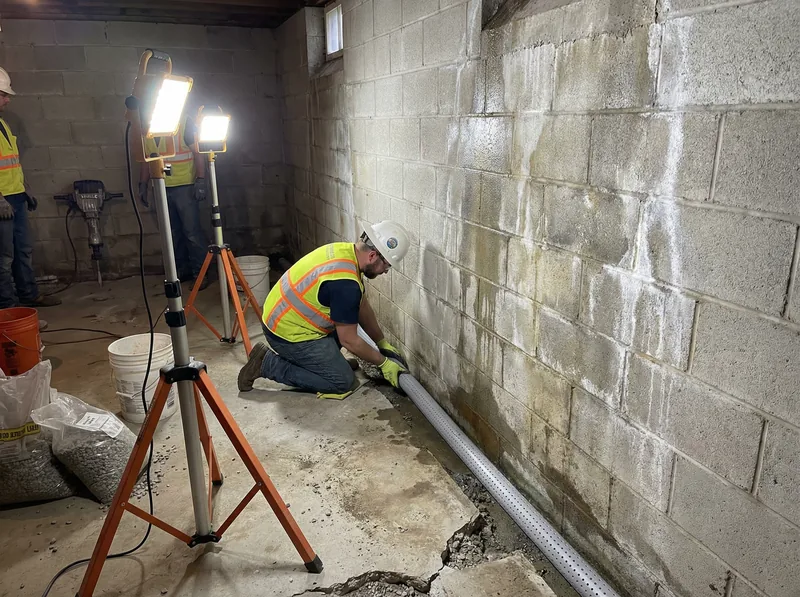
Basement waterproofing is a crucial process for homeowners in Michigan, including areas like Sandusky and Clarkston. Given the state’s varied climate, which can include heavy rainfall and significant snowmelt, protecting your home’s lower levels from water damage is essential. This guide explains how basement waterproofing is done and why it’s vital for maintaining the integrity and value of your home.
How is Basement Waterproofing Done?
Basement waterproofing can be approached in several ways, depending on the specific needs of the property and the nature of the water issue. Here are the most common methods used in Michigan:
1. Interior Waterproofing:
Sealants and Coatings: Special waterproof coatings are applied to the interior walls of the basement. These coatings are designed to seal against moisture penetration.
Interior Drain Systems: A drainage system can be installed inside the perimeter of the basement floor. Water that enters is collected and directed to a sump pump, which then pumps it out and away from the home.
2. Exterior Waterproofing:
Excavation: Often considered the most effective form of waterproofing, this method involves excavating the soil around the foundation. Waterproof coatings or membranes are then applied to the exterior walls.
French Drains: These involve digging a trench around the perimeter of the house, laying a pipe, and filling the trench with gravel. The pipe diverts water away from the foundation.
3. Sump Pump Installation:
Sump Pumps: These are installed in the lowest part of a basement to help redirect water away from the home. They play a crucial role in both interior and exterior waterproofing systems.
Why is Basement Waterproofing Important?
1. Structural Integrity: Water damage can weaken the foundation of a house, leading to significant structural issues over time. Waterproofing helps preserve the foundation by preventing water from weakening the concrete and the steel reinforcements within it.
2. Mold Prevention: Moisture is a breeding ground for mold and mildew, which can cause health issues and degrade indoor air quality. Waterproofing your basement helps keep it dry and free from these harmful growths.
3. Increased Usability: A dry basement can be safely used as a living space, storage, or recreational area, effectively increasing the usable square footage of your home.
4. Property Value: Homes with waterproof basements are more appealing to buyers and can command a higher market price. They are also less likely to encounter issues during the inspection process, facilitating smoother real estate transactions.
5. Cost Savings: Investing in basement waterproofing can save money in the long term by preventing more severe damage that would require costly repairs. It’s a proactive measure that mitigates the potential expenses associated with water damage.
Conclusion
For Michigan residents, particularly those in areas like Sandusky and Clarkston, basement waterproofing is not just a precaution—it’s a necessary investment in the health, safety, and value of your home. With the state’s propensity for wet weather, ensuring your basement is properly waterproofed is essential for any homeowner looking to protect their property. Whether through interior solutions, exterior applications, or sump pump installations, the right waterproofing measures can make all the difference in preserving your home’s condition and your peace of mind.