Maintaining a dry basement is crucial for the integrity of your home and the health of its residents. Water damage can lead to serious problems, including mold, mildew, and structural issues. Fortunately, achieving a dry basement doesn’t have to break the bank. Here are practical and affordable strategies for effective basement waterproofing that can help you maintain a dry and healthy living space.
1. Identify and Repair Cracks
One of the first steps in ensuring an affordable dry basement is to check for any cracks or gaps in the foundation walls and floor. Water often enters through these vulnerabilities during heavy rainfall or melting snow. Use a quality waterproof sealant to fill these cracks. For larger gaps, consider a patching compound that can handle more substantial repairs. Regular maintenance checks are crucial to catch new cracks early before they become a bigger problem.
2. Improve Drainage Around Your Home
Proper exterior drainage is essential to prevent water from pooling around your foundation, which is a common cause of basement leaks. Ensure that your gutters are clean and downspouts are directing water at least three to four feet away from your home’s foundation. Additionally, consider grading your lawn so that it slopes away from your home, which helps keep water from accumulating near your basement walls.
3. Install a Sump Pump
For homes prone to basement flooding, installing a sump pump can be a game-changer. A sump pump removes water that has accumulated in a sump basin, typically installed at the lowest point of the basement. Ensuring that your sump pump is regularly maintained and functioning correctly is crucial for an effective all dry basement waterproofing strategy.
4. Apply Waterproof Paint
Waterproof paint can be an effective and affordable way to help seal minor dampness on basement walls. It’s an especially good option for basements that have condensation issues rather than significant leaks. Apply waterproof paint over clean, bare walls for the best results. While it’s not a solution for major water problems, it can be a cost-effective measure for minimal dampness.
5. Consider a Dehumidifier
Reducing humidity levels in your basement is a key component of maintaining a dry space. A dehumidifier can help by removing excess moisture from the air, which helps prevent mold and mildew growth. For larger basements, consider a high-capacity dehumidifier to ensure effective moisture control.
6. Opt for Interior Water Drainage
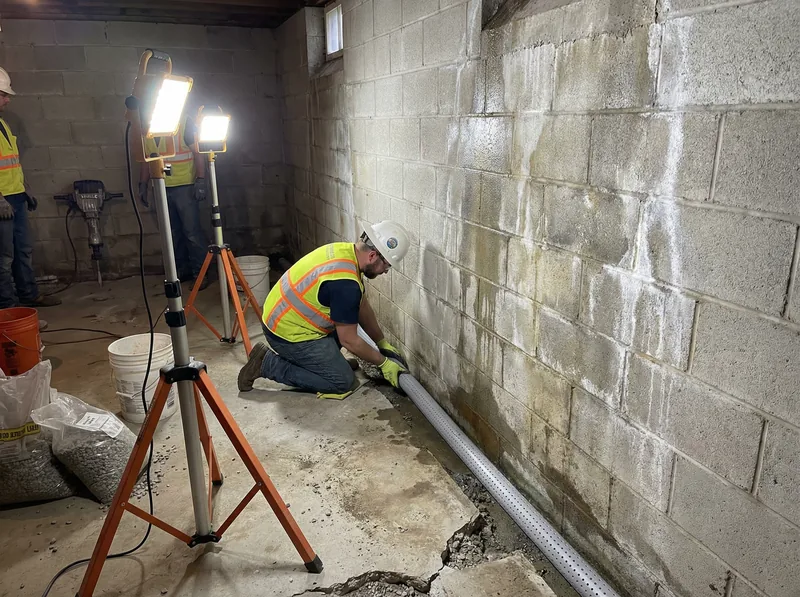
Although more invasive, an interior water drainage system can be less expensive than exterior waterproofing methods. This involves installing a drainage system underneath your basement floor that guides water to your sump pump. This method is particularly effective for chronic water issues and can be a worthwhile investment for long-term dryness.
7. Regularly Clean and Inspect Basement Windows
If your basement has windows, check them for leaks and ensure they have well-fitted window wells. Clearing out debris and installing window well covers can prevent water accumulation and potential entry into your basement.
Conclusion
Achieving an affordable dry basement is entirely possible with the right approaches and regular maintenance. From simple DIY fixes like sealing cracks and improving drainage to installing a sump pump or an interior drainage system, there are multiple ways to protect your basement from moisture effectively. By implementing these tips, you can enjoy the benefits of an all dry basement, enhancing both your home’s value and your living environment. Always consider consulting with professional all basement waterproofing experts to tackle severe water issues to ensure the best results.